The Three Little Pigs is a beloved children’s story that has captured the imagination of young readers for many generations. With its entertaining plot and memorable characters, it has become a staple in literature for children. The story follows three little pigs who build houses of different materials – straw, sticks, and bricks – and must defend themselves against a cunning wolf.
The Importance of Sequencing
Sequencing is an essential skill for children to develop, as it helps them understand the order of events in a story. It also enhances their ability to comprehend and retell stories accurately. The Three Little Pigs story lends itself well to sequencing activities, as it consists of several distinct events that occur in a specific order.
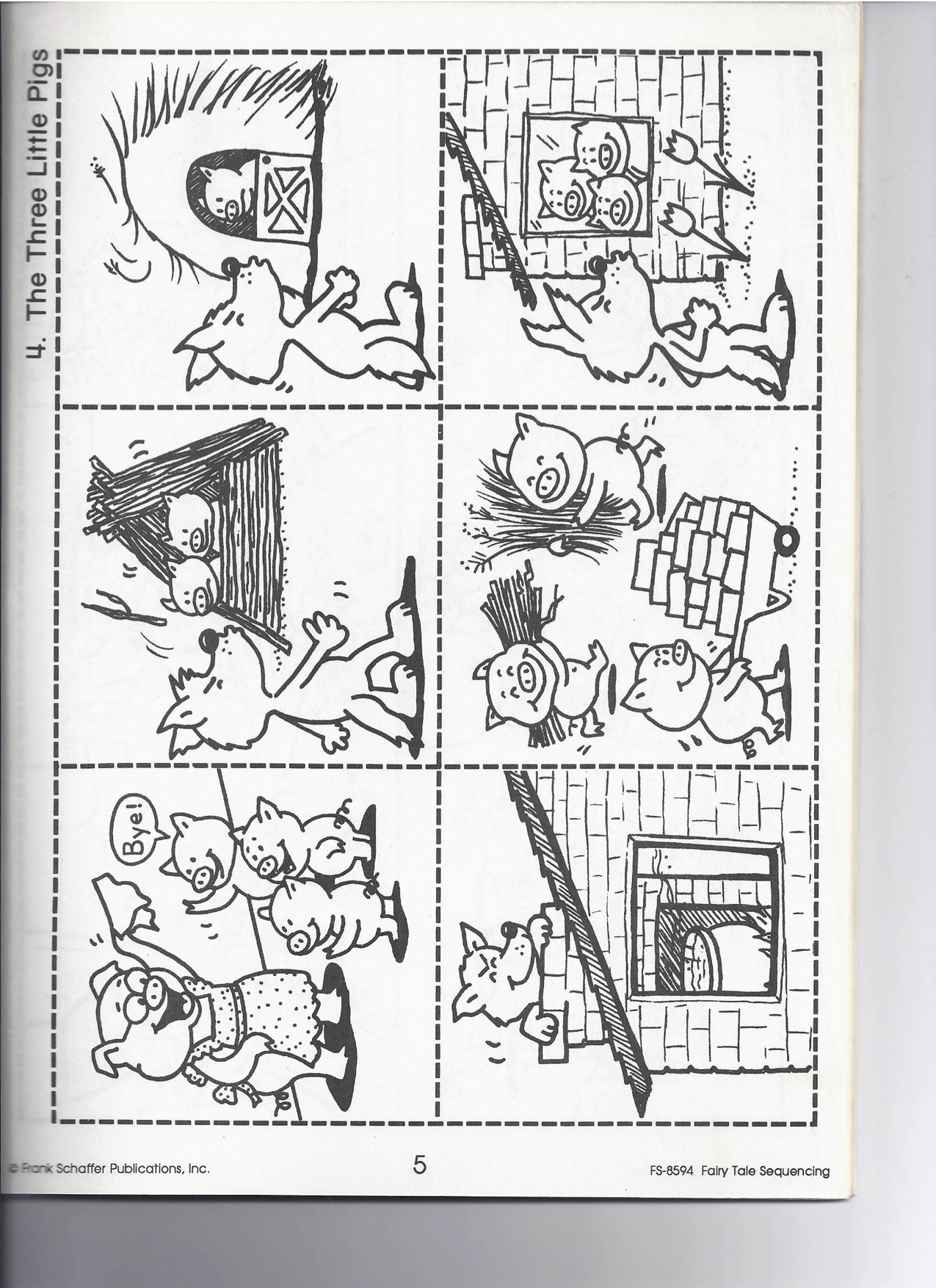
 One popular activity for teaching sequencing with The Three Little Pigs is using printable cards. These cards depict different scenes from the story, and children are tasked with arranging them in the correct order. This activity not only reinforces the sequence of events but also encourages critical thinking and problem-solving skills.
 Engaging Worksheets and Puppets
In addition to sequencing cards, worksheets and puppets can also be used to engage children in The Three Little Pigs story. Worksheets may include activities such as coloring, matching, and tracing, which aid in fine motor skill development. Puppets, on the other hand, allow children to retell the story using their own creativity and imagination.
By incorporating various interactive and hands-on activities, teachers and parents can make the learning experience enjoyable and memorable for children.
 The Benefits of Storytelling
Storytelling is a powerful tool for enhancing language development and literacy skills in young children. The Three Little Pigs provides an excellent opportunity for storytelling activities. Children can be encouraged to retell the story in their own words, using props and visuals to engage their audience.
Storytelling not only improves language skills but also fosters creativity, imagination, and self-expression. It allows children to explore different perspectives and emotions, making the story more relatable and meaningful to them.
 Building Critical Thinking Skills
While The Three Little Pigs may seem like a simple children’s story, it actually presents opportunities for developing critical thinking skills. Teachers and parents can initiate discussions and ask open-ended questions to encourage children to analyze and evaluate the choices made by the characters in the story.
For instance, why did the first two little pigs choose to build their houses with straw and sticks? What other materials could they have used? How could they have prevented the wolf from blowing down their houses?
By engaging children in these types of discussions, they are challenged to think critically, problem-solve, and make connections between the story and real-life situations.
 Enhancing Literacy through Activities
The Three Little Pigs story lends itself well to a variety of literacy activities that can further enhance children’s reading and writing skills. For example, children can be encouraged to write their own version of the story, make predictions about what might happen next, or create alternate endings.
Incorporating literacy-based activities not only reinforces reading and writing skills but also fosters a love for storytelling and creativity. By encouraging children to think beyond the text, they develop a deeper understanding and appreciation for the story.
In Conclusion
The Three Little Pigs is a timeless story that continues to captivate children with its engaging plot and memorable characters. By incorporating sequencing activities, worksheets, puppets, storytelling, critical thinking discussions, and literacy-based activities, teachers and parents can provide a comprehensive and enriching learning experience for children.
These activities not only enhance children’s understanding of the story but also promote important skills such as sequencing, problem-solving, critical thinking, language development, and creativity. Through interactive and hands-on approaches, children are more likely to retain and apply knowledge, making the learning experience enjoyable and meaningful.
