In Asian culture, traffic lights serve as a familiar sight on bustling streets and highways. These colorful signals guide both drivers and pedestrians, ensuring smooth and safe transportation. The iconic red, yellow, and green lights have become an essential part of daily life in many Asian countries. Let’s explore the significance of traffic lights in Asian culture and how they impact the lives of people in the region.
 The Symbolism of Traffic Lights
In Asian societies, traffic lights represent more than just a means of regulating traffic. They symbolize order, discipline, and harmony. These values hold great importance in Asian cultures, where adhering to rules and maintaining social harmony are deeply ingrained.
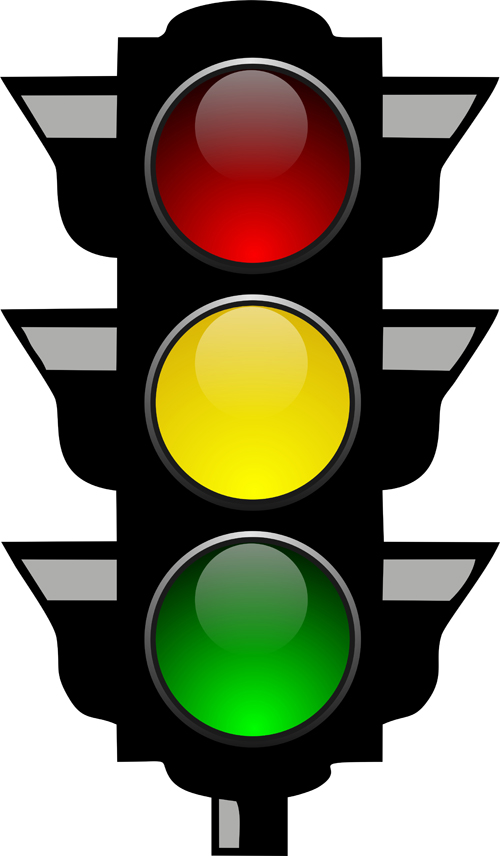
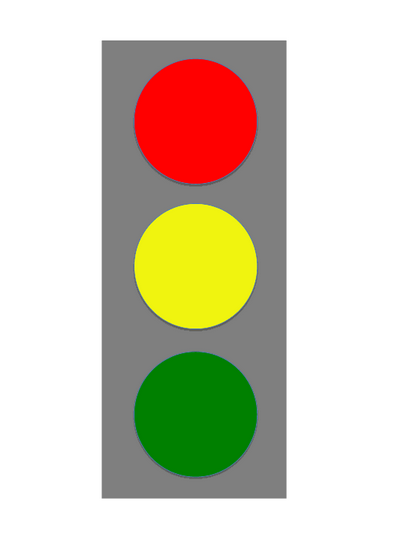
The red light serves as a symbol of caution and is a reminder to stop. It indicates that one should halt and wait until the light turns green. In many Asian cultures, this concept extends beyond the roads and into daily life. The red light prompts individuals to reflect on their actions and exercise patience in various situations.
The yellow light signifies transition. It prompts drivers to slow down and prepare to stop. This concept resonates with Asian societies, where individuals are encouraged to adapt to change and be proactive in navigating transitions in life.
The green light, representing “go,” signifies progress, growth, and opportunity. In Asian cultures, this color is associated with prosperity, vitality, and success. The green light serves as a motivating force, urging individuals to move forward and embrace new endeavors.
 Traffic Lights and Pedestrian Safety
Traffic lights play a crucial role in ensuring pedestrian safety in Asian cities. With crowded streets and bustling intersections, it’s essential to have strict regulations in place to protect pedestrians.
When the traffic light turns red, it provides pedestrians with the opportunity to cross the road safely. Many Asian countries have implemented specific pedestrian crossing signals, such as the green “man” symbol, to indicate when it is safe to cross. These signals help pedestrians navigate busy intersections and minimize the risk of accidents.
In addition to the signals themselves, Asian cities often feature well-designed zebra crossings and pedestrian bridges to further enhance pedestrian safety. These infrastructure improvements, combined with the efficient functioning of traffic lights, contribute to creating a pedestrian-friendly environment.
 Printable Traffic Light Crafts
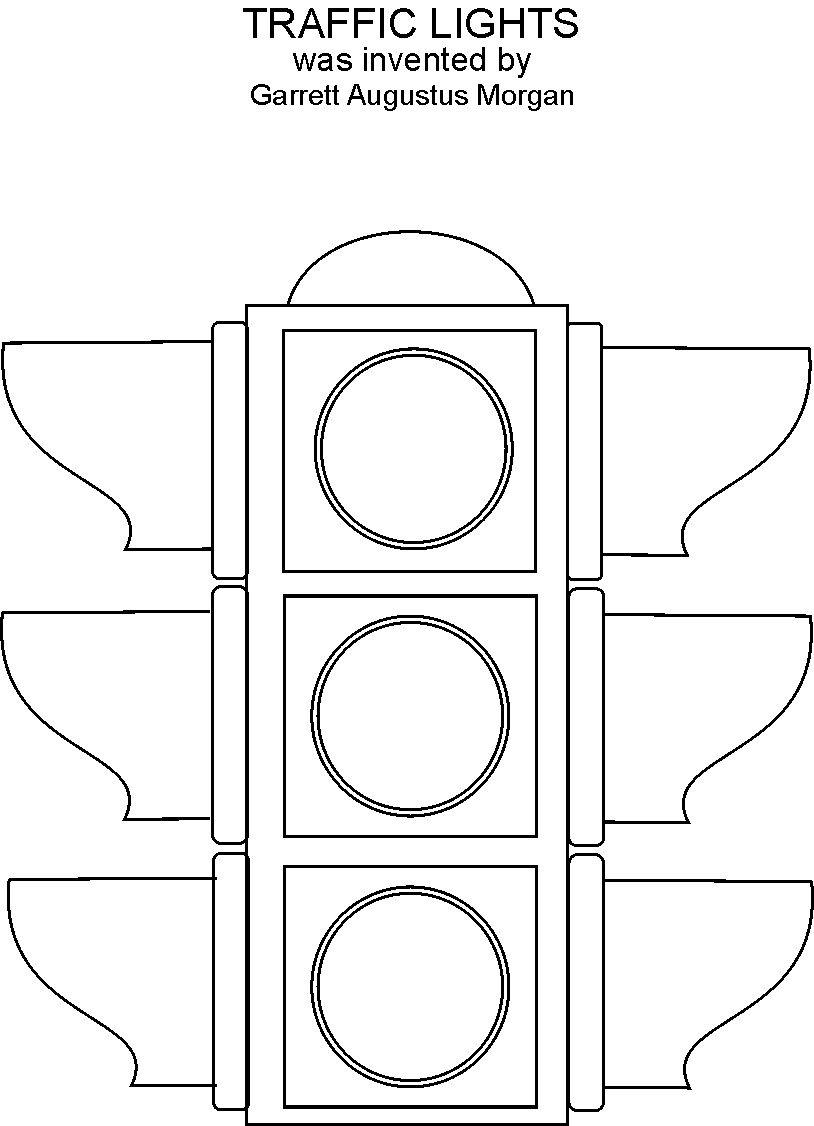
In recent years, printable traffic light crafts have become popular among parents and educators in Asia. These crafts allow children to learn about the importance of traffic lights in a fun and interactive way.
Using the provided printable templates, children can cut out and assemble their own miniature traffic lights. This hands-on activity helps them understand the different colors and meanings associated with each light. It also promotes fine motor skills, creativity, and learning through play.
Parents and teachers often incorporate these crafts into educational activities related to road safety and transportation. By engaging children in these activities, they develop a better understanding of traffic rules and the importance of following them.
 Traffic Lights in Asian Pop Culture
Traffic lights have also found their way into Asian pop culture, making appearances in various forms of entertainment. They have become a recognizable symbol, representing the fast-paced and dynamic nature of Asian cities.
In movies and television shows, traffic lights often feature prominently to create dramatic and visually stunning scenes. Vibrant neon lights, coupled with the sounds of honking horns and bustling streets, contribute to the overall ambiance of these scenes.
Furthermore, traffic lights have become a popular motif in Asian street art and fashion. Designs featuring traffic lights can be seen on clothing, accessories, and even in graffiti. They serve as a visual representation of urban life and the constant state of motion in Asian cities.
 Educational Tools and Resources
With the advancement of technology, there are now numerous online resources available that utilize traffic lights to educate children about road safety. Interactive games and apps teach kids how to navigate crosswalks, interpret traffic signals, and make safe choices as pedestrians.
Additionally, coloring pages featuring traffic lights are widely accessible. These printables encourage children to engage in creative expression while learning about the different colors and meanings associated with traffic lights.
Parents and educators can take advantage of these digital resources to supplement traditional teaching methods and promote a comprehensive understanding of road safety.
Traffic lights have become an integral part of Asian culture, symbolizing order, safety, and progress. They ensure the smooth flow of traffic and play a significant role in pedestrian safety. With the help of printable crafts, educational tools, and their presence in pop culture, traffic lights continue to leave a lasting impression on individuals of all ages in Asian communities.
Sources:
- “Printable Traffic Light - ClipArt Best” - source
- “Printable Traffic Light - ClipArt Best” - source
- “Traffic Light Printable Template | Free Printable Papercraft Templates” - source
- “Traffic Light Template Printable - ClipArt Best” - source
- “Free coloring page of traffic light. For tracing and crafts | FREE” - source
- “Traffic Light Template Printable - ClipArt Best” - source
- “Traffic Light Template - Cliparts.co” - source
- “Traffic Signal Drawing | Free download on ClipArtMag” - source
- “Printable Traffic Light - ClipArt Best” - source
- “Printable Traffic Light - ClipArt Best” - source